
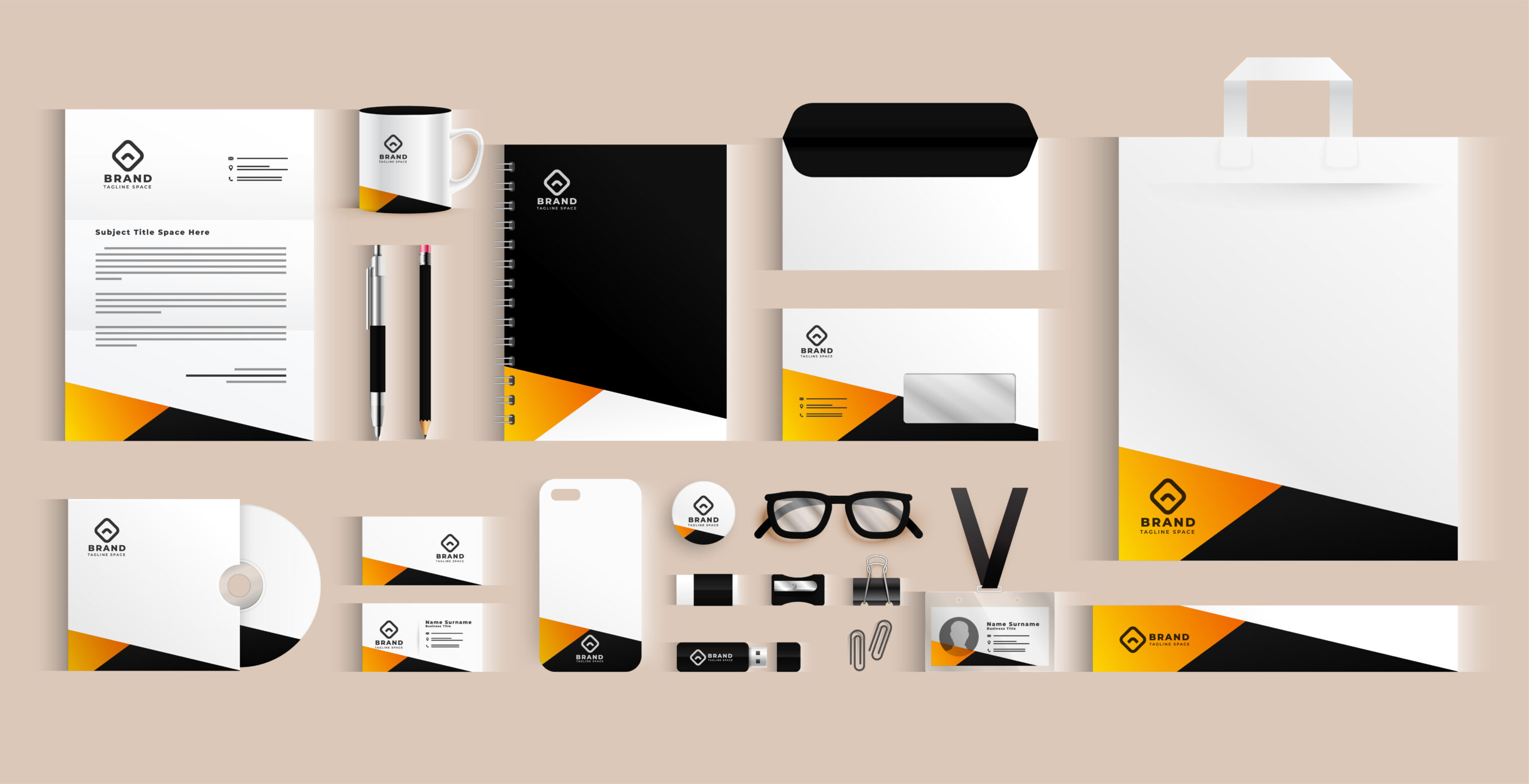
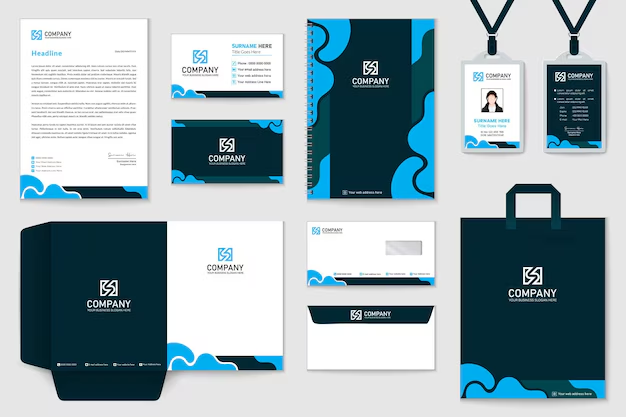
Description
This is the process of creating a unified visual and strategic identity for a company to build its reputation and brand image. It involves designing elements like logos, color palettes, typography, and imagery, and ensuring these are consistently applied across all touchpoints, from websites and social media to packaging and internal communications. The goal is to create a consistent, recognizable appearance that reflects the company’s values, mission, and personality to customers.
Key components of corporate branding design
- Visual identity: This includes the core visual elements that make a brand recognizable.
- Logo: The primary symbol of the company.
- Color palette: A consistent set of colors used across all materials.
- Typography: The specific fonts used in communication.
- Imagery: The style of photos and graphics used, which helps convey emotion and messages.
- Icons: A consistent set of icons to communicate concepts clearly.
- Brand voice: The personality and tone of the company’s messaging in all its communications.
- Mission and values: The underlying principles that the company stands for, which should be reflected in its design and messaging.
- Consistency: Ensuring a unified look and feel across every point of contact, such as a website, social media posts, and product packaging.
The purpose of corporate branding design
- To build trust: A consistent and professional design builds trust with customers over time.
- To differentiate from competitors: It helps a company stand out by showcasing its unique personality and values.
- To create a strong identity: It gives the company a recognizable and cohesive identity that is more than just its products or services.
- To connect with customers: It helps create an emotional connection with the target audience by communicating the company’s personality and values.

Reviews
There are no reviews yet.