
Description
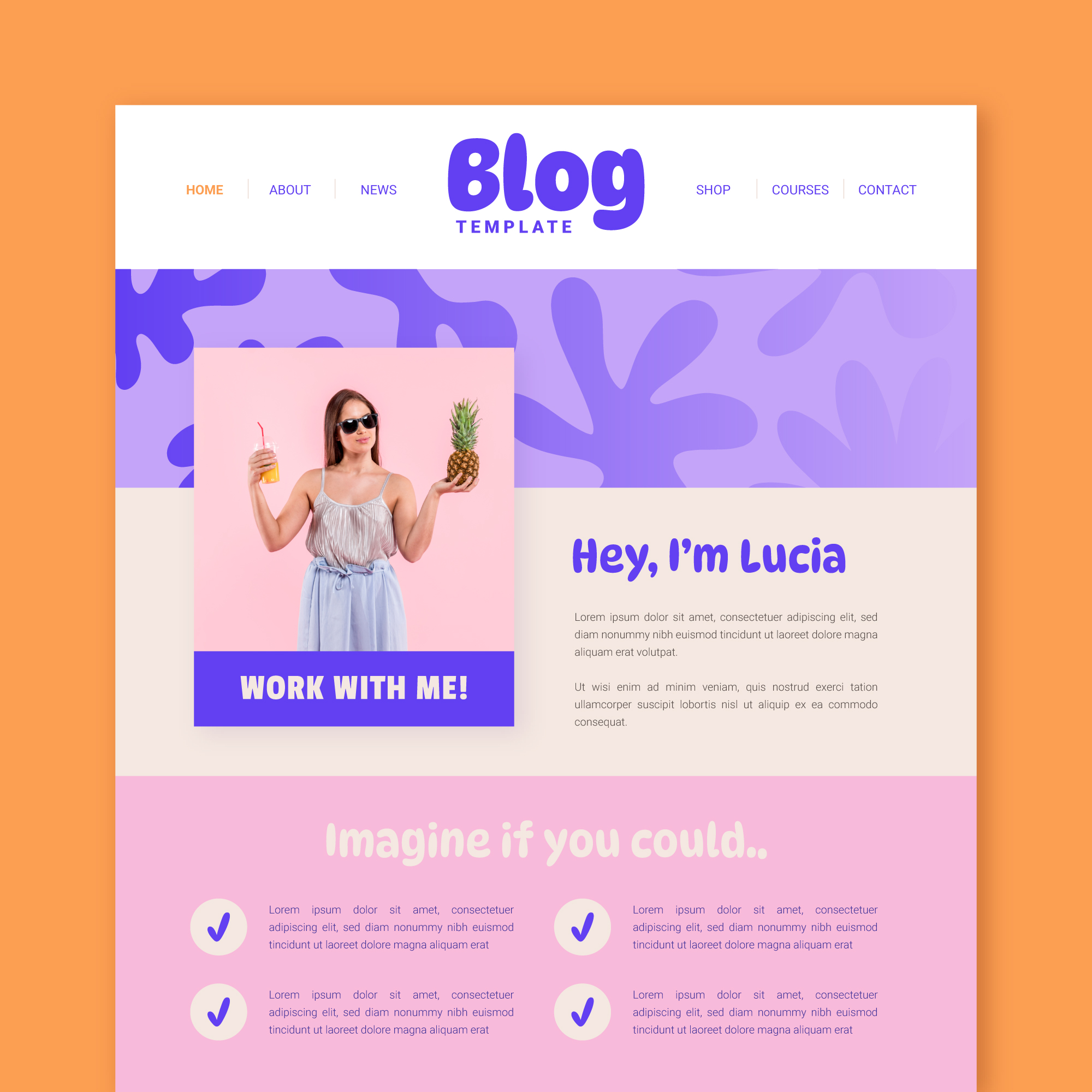
We combine technical performance with user-friendly content, focusing on a fast, mobile-friendly, and easy-to-navigate structure. Key design elements include using clean URLs, incorporating internal and external links, creating a readable layout with appropriate headings, and optimizing all media with descriptive alt text. Consistent content updates, strategic use of keywords, and ensuring the site performs well across all devices are also crucial for search engine ranking.
Key design and technical elements
- Mobile-first and responsive design: Ensure your blog is fully functional and looks good on all devices, as Google uses mobile-first indexing for ranking.
- Page speed: Optimize for fast loading times, as slow pages can cause users to leave. Use high-quality, low-weight images and clean code.
- Clean and user-friendly URLs: Keep URLs short and descriptive, ideally using the main keyword without unnecessary words or numbers.
- Site structure: Create an intuitive and easy-to-navigate structure that helps users and search engines find content quickly. Use breadcrumbs and ensure important pages are accessible within a few clicks.
- On-page optimization:
- Headings: Use an H1 tag for the main title and H2, H3, etc., for subheadings to structure the content logically.
- Readability: Design the layout to be readable and easy to scan, which helps reduce bounce rates and increase time on page.
- Keywords: Use keywords throughout the content, especially in titles, headings, and body text, based on proper keyword research.
- Internal and external linking: Strategically link to other relevant pages on your site to improve navigation and authority, and link to high-quality external sources.
- Multimedia optimization: Add images, infographics, and other visuals to improve engagement. Ensure all images have descriptive file names and “alt text”.
Content and user experience
- High-quality, engaging content: Create helpful, high-quality content that answers user search intent.
- Promote social sharing: Integrate social media sharing buttons to encourage visitors to share your content.
- Clear calls to action (CTAs): Guide users on what to do next, whether it’s reading another article or signing up for a newsletter.
- Consistency and updates: Regularly publish new content and update older posts to keep them fresh and relevant.
Tools and monitoring
- SEO plugins: Use tools like Yoast SEO or Rank Math in WordPress to help optimize your posts.
- Analytics: Continuously monitor user engagement and other metrics to identify areas for improvement.

Reviews
There are no reviews yet.